Jonas Becker · 15 September 2026
Navigating Microclimate Influences on Container Plant Resilience in Southern Growing Zones
Microclimates in southern growing zones emerge from interactions among topography, built structures, vegetation patterns, and prevailing winds, and these localized variations often produce temperature swings of several degrees within short distances while altering humidity levels and solar exposure in container setups. Southern regions such as USDA zones 7 through 10 experience extended heat periods combined with high humidity, yet individual garden sites can range from full-sun heat traps near pavement to cooler pockets created by dense tree canopies or north-facing walls, and container plants register these differences quickly because their root zones lack the buffering capacity of in-ground soil.
Core Factors Shaping Microclimates
Topographic features like slopes and low-lying areas direct cold air drainage at night and concentrate heat during daylight hours, whereas urban infrastructure amplifies radiant heat through concrete and asphalt that retain warmth well into evening. Observers note that wind corridors between buildings accelerate moisture loss from container media, while sheltered courtyards trap humidity and reduce evaporation rates, and these patterns become especially pronounced during late summer when soil temperatures in dark-colored pots can exceed ambient air readings by ten degrees or more. Data collected through September 2026 from multiple southern monitoring stations indicate consistent elevation of root-zone temperatures in exposed containers compared with shaded placements, and researchers link such differentials directly to accelerated stress responses in species with shallow root systems.
Effects on Container Plant Performance
Container plants respond to microclimate gradients through changes in water uptake, nutrient availability, and cellular stress signaling, and limited soil volumes magnify these effects because daily temperature fluctuations transmit rapidly to roots. Heat buildup in southern afternoons often pushes container media past optimal thresholds for microbial activity, whereas shaded or ventilated positions maintain more stable moisture profiles and support steadier photosynthesis rates. Studies from extension services show that plants sited near reflective surfaces suffer higher leaf scorch incidence during peak solar periods, while those positioned against thermal mass walls experience moderated overnight lows that protect against sudden cool snaps common in transitional months.
Site Assessment and Plant Placement Strategies
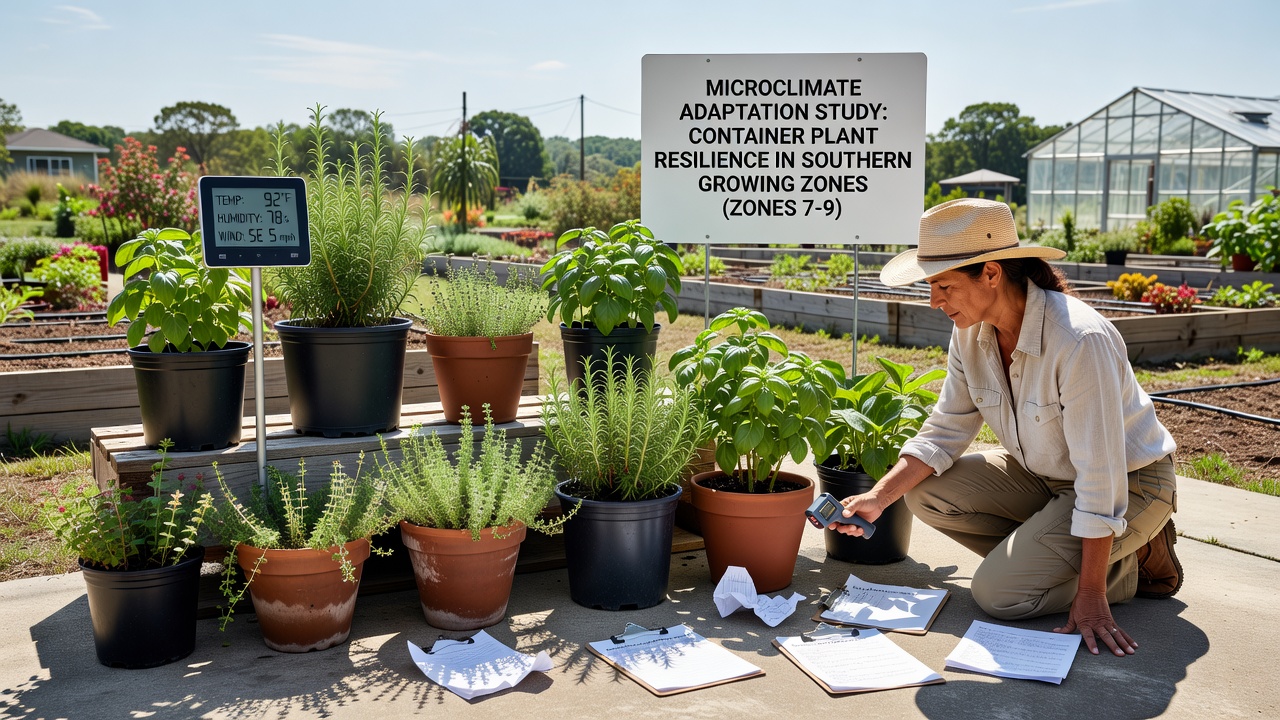
Effective navigation begins with systematic site mapping that records sun angles at different times of day, wind direction patterns, and proximity to heat sources, and growers then match plant selections to these measured conditions rather than relying on regional averages. Dark containers positioned in full sun demand frequent irrigation adjustments and sometimes reflective wraps to moderate root temperatures, whereas lighter materials or elevated placements improve airflow and reduce heat accumulation around root balls. Those managing southern container collections often group plants by similar microclimate needs, placing heat-tolerant species such as certain palms or succulents in exposed southern exposures while reserving eastern or northern positions for varieties sensitive to afternoon intensity.
Management Practices That Enhance Resilience
Soil composition choices influence how containers buffer against microclimate extremes, and mixes incorporating higher percentages of organic matter or water-retentive amendments help stabilize temperatures and moisture during heat spikes. Mulch layers applied to container surfaces reduce evaporative loss and insulate against direct solar radiation, while drip irrigation timed to early morning hours minimizes stress associated with midday heat loads. According to Texas A&M AgriLife Extension records, consistent monitoring of container media temperatures combined with strategic use of shade cloth during forecasted extremes has produced measurable improvements in survival rates for borderline-hardy species in zone 8 and 9 locations. CSIRO horticultural reports from comparable southern hemisphere climates further highlight the value of windbreaks and vertical greenery in moderating humidity swings around grouped containers.
Monitoring Tools and Seasonal Adjustments
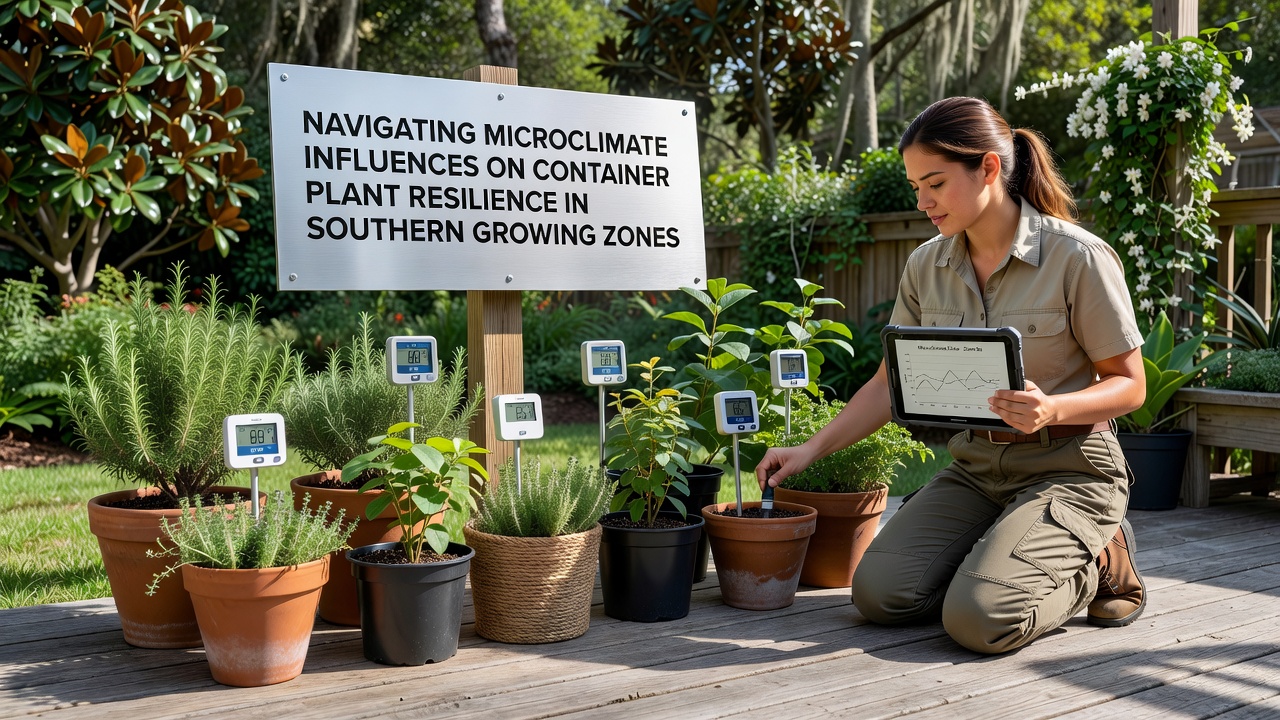
Digital sensors placed at root depth provide real-time data on temperature and moisture fluctuations that regional forecasts cannot capture, and these readings allow timely interventions such as relocating pots or increasing irrigation frequency before visible stress appears. During periods of rapid weather transitions, such as those documented in early fall 2026, container managers adjust placement of mobile planters to exploit cooler microclimates created by deciduous canopy changes or shifting sun paths. Research indicates that proactive repositioning based on sensor trends reduces physiological damage compared with static arrangements, and the practice proves especially useful for high-value or difficult-to-replace specimens.
Conclusion
Container plant resilience in southern growing zones depends on accurate recognition of microclimate variables and consistent application of placement, material, and care adjustments that align with those conditions. Ongoing data collection from regional networks continues to refine understanding of how small-scale climate differences translate into measurable plant outcomes, and integration of that knowledge supports more reliable cultivation across diverse southern sites.