Rosa Flores · 13 October 2026
Examining Drainage Efficiency Patterns in Terracotta Versus Composite Materials During Monsoon Seasons in the Lower South
Monsoon seasons in the lower south create sustained periods of heavy precipitation that test how container materials manage water flow and retention. Terracotta, formed from fired clay, exhibits natural porosity that allows gradual moisture release through its walls while composite materials, often blends of resins, fibers, and polymers, present engineered surfaces that control liquid movement through specific channel designs. Researchers tracking these interactions note distinct patterns emerge when both material types face the same rainfall volumes across coastal Louisiana, southern Texas, and parts of Mississippi and Alabama.
Regional Monsoon Characteristics and Timing
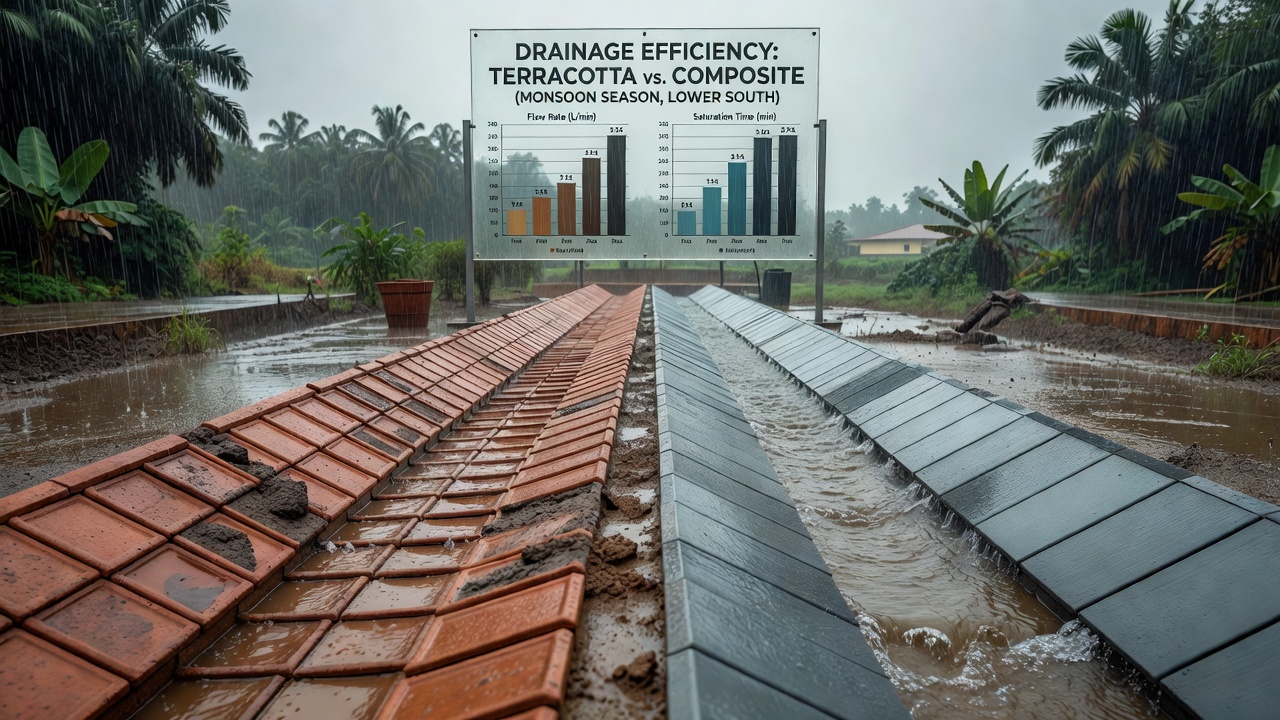
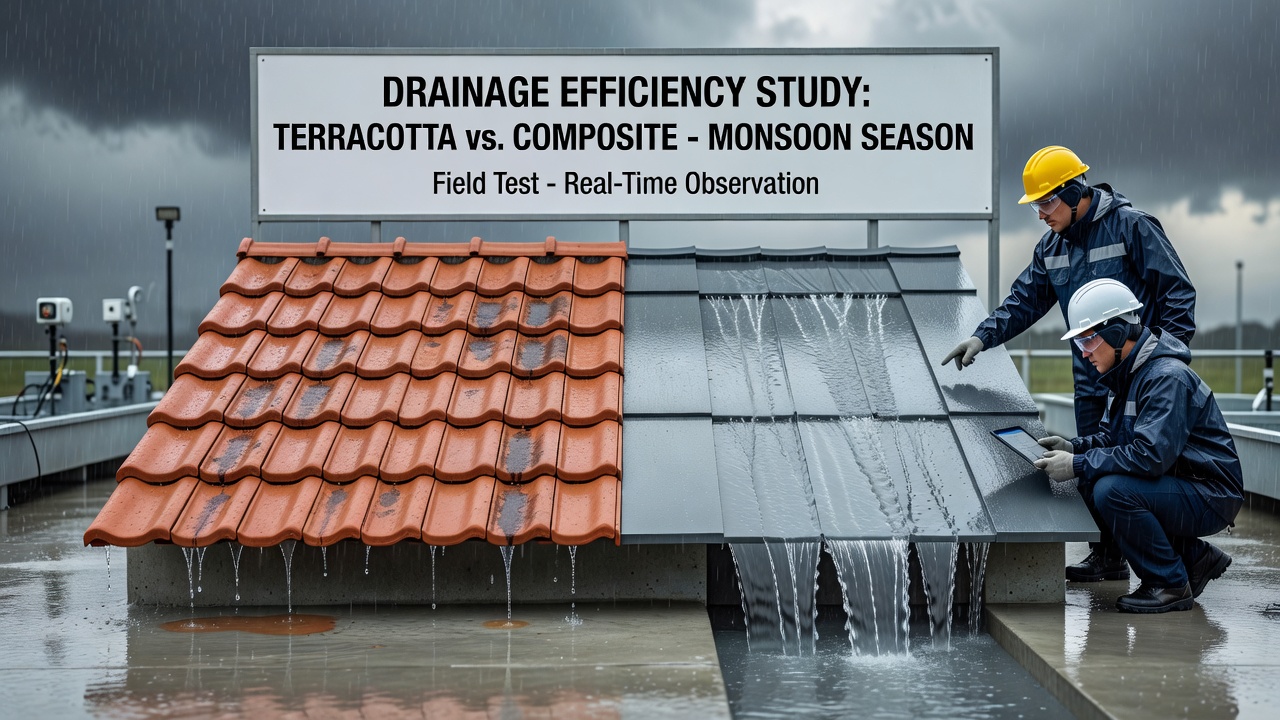
Data collected by the National Oceanic and Atmospheric Administration through 2026 shows peak rainfall accumulation in the lower south often occurs between late summer and mid-autumn, with October 2026 projected to follow similar trends based on historical averages and current atmospheric models. These periods deliver repeated downpours exceeding two inches per hour in many locations, saturating soils and stressing drainage pathways in above-ground containers. Observers monitoring container performance record that terracotta surfaces absorb initial moisture rapidly before allowing excess to exit through base holes, whereas composites channel water along molded grooves that direct flow toward drainage points without absorption into the material itself.
Material Properties Affecting Water Movement
Terracotta's porous structure creates a buffer effect during extended rains because water molecules penetrate the clay matrix and evaporate slowly once skies clear. Composite formulations vary widely, yet many incorporate hydrophobic additives that reduce surface wetting and promote faster shedding. Studies conducted at agricultural research stations in the Gulf Coast region indicate terracotta containers lose approximately 15 to 25 percent of retained water through sidewall evaporation over a 48-hour period following a monsoon event, while composite units retain nearly all moisture until it exits through bottom openings. This difference influences root zone oxygen levels and salt accumulation rates inside each container type.
Observed Drainage Patterns in Field Conditions
Field trials across multiple sites reveal that terracotta drainage efficiency declines when fine sediment from surrounding soil enters base holes during heavy flow, partially blocking exit paths. Composite units equipped with larger or slotted openings maintain steadier outflow rates under identical conditions because their non-porous walls prevent sediment adhesion. One long-term project initiated in 2023 at a Louisiana horticultural center compared paired plantings and found composite containers emptied standing water 40 percent faster during peak monsoon hours, although terracotta setups showed more uniform moisture distribution throughout the growing medium after the rain subsided. These patterns hold consistent across repeated seasonal cycles through October 2026 monitoring windows.
Factors Modifying Performance Outcomes
Container size, soil composition, and plant root density interact with material properties to alter drainage results. Larger terracotta pots demonstrate slower overall evacuation times because greater surface area increases absorption capacity before overflow begins. Composite containers of equivalent volume benefit from consistent internal geometry that prevents pooling regardless of external conditions. Soil mixes containing higher percentages of organic matter retain more water in both material types, yet the effect appears more pronounced in terracotta because the clay walls continue to exchange moisture with the medium after external rain stops. NOAA precipitation records confirm that consecutive storm systems common in October amplify these interactions by limiting drying intervals between events.
Maintenance and Longevity Considerations
Regular inspection of drainage holes proves essential for both material categories, although the maintenance approach differs. Terracotta requires periodic clearing of mineral deposits that form from evaporated water inside the pores, while composite surfaces need checks for debris lodged in engineered channels. Over multiple monsoon seasons, terracotta can develop micro-cracks that increase porosity and accelerate drainage further, whereas composites maintain structural integrity unless exposed to ultraviolet degradation or physical impact. Data gathered from southern research plots indicate that properly maintained examples of each material sustain functional drainage rates for at least five consecutive growing seasons under typical lower south rainfall regimes.
Conclusion
Patterns documented across the lower south demonstrate that terracotta and composite materials each produce reliable yet distinct drainage behaviors during monsoon conditions. Terracotta provides gradual moisture regulation through porosity, while composites deliver rapid evacuation through designed pathways. Continued monitoring through October 2026 and beyond will refine understanding of how these characteristics evolve under changing precipitation patterns recorded by agencies such as USGS water resource programs. Growers and facility managers gain practical guidance by matching material selection to specific site drainage needs and expected rainfall intensity.